People don't distrust AI. They distrust nothing
Most shoppers now assume AI generated brand content is everywhere. Consumer trust doesn't go to the brands hiding it. It goes to the ones with something to check.
By Studio NNTN
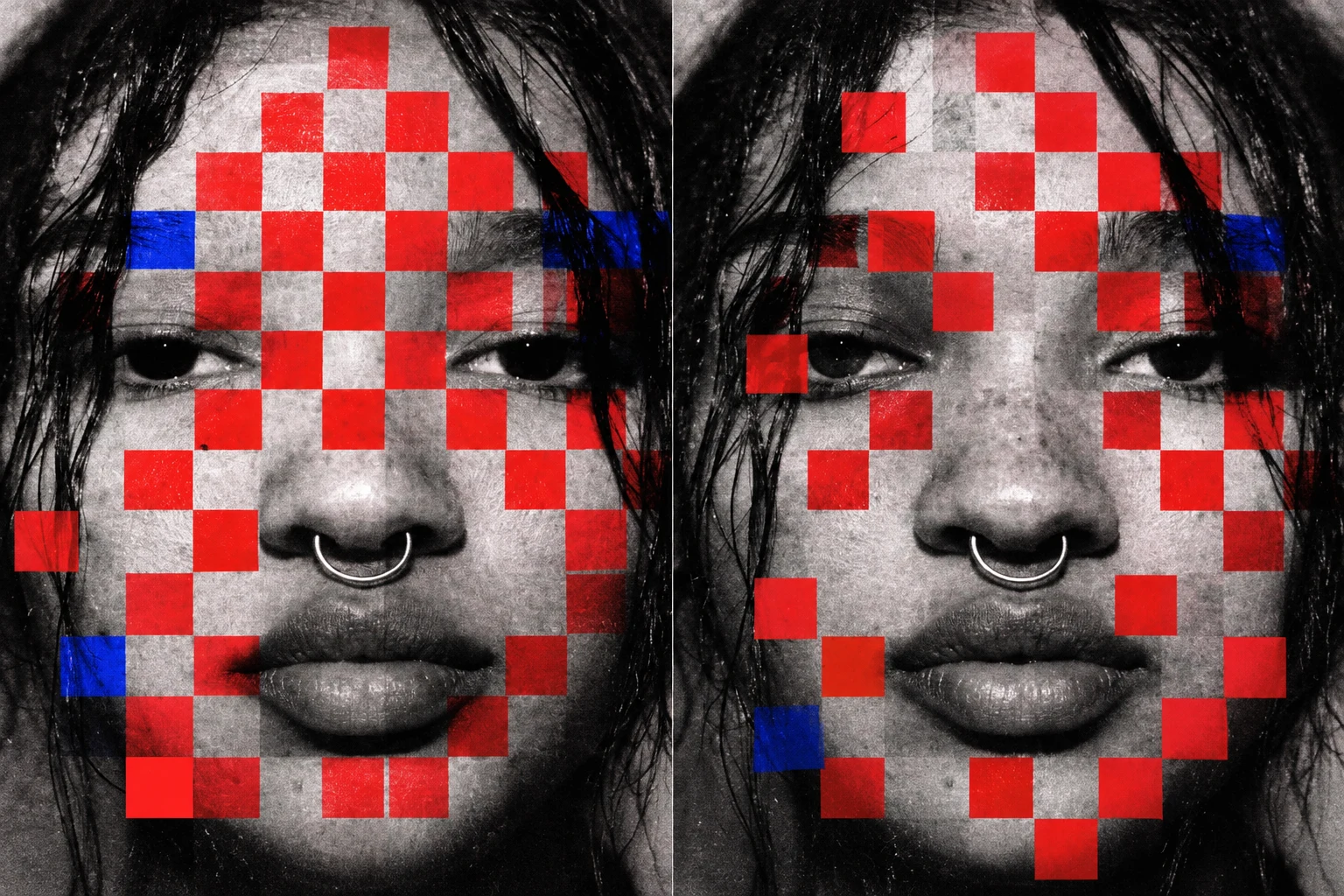
Scroll any feed and play the game everyone plays now. Real or generated? The glossy bottle on a pink backdrop. The perfect bowl of pasta. The smiling woman by a window.
You'll guess. You'll probably be unsure. So will everyone else.
The new default is doubt
A 2026 study by Cashew Research found that 87% of consumers believe brand content is at least partly AI generated. Only 13% feel very confident they can tell the difference.
People assume. And they can't check.
That sounds like a problem with AI. It isn't. It's a problem with content that has nothing in it to check.
People don't distrust AI. They distrust nothing.
The bottle on the pink backdrop
The image people roll their eyes at was never real, even before AI. Lit from the left. Same peach gradient. Same smile. It could belong to any brand in the category.
When everything could belong to anyone, people stop believing anything. Nobody complains. They just keep scrolling.
What people trust instead
In Clutch's 2026 survey, 36% of people tied visible human involvement directly to brand loyalty. Bylines. A person on camera. Behind the scenes.
Proof of people. It doesn't have to be big.
A real name instead of "the team". A hand in frame, with rings and flour and a scar. A street you could find on a map. One mistake left in, because life has some.
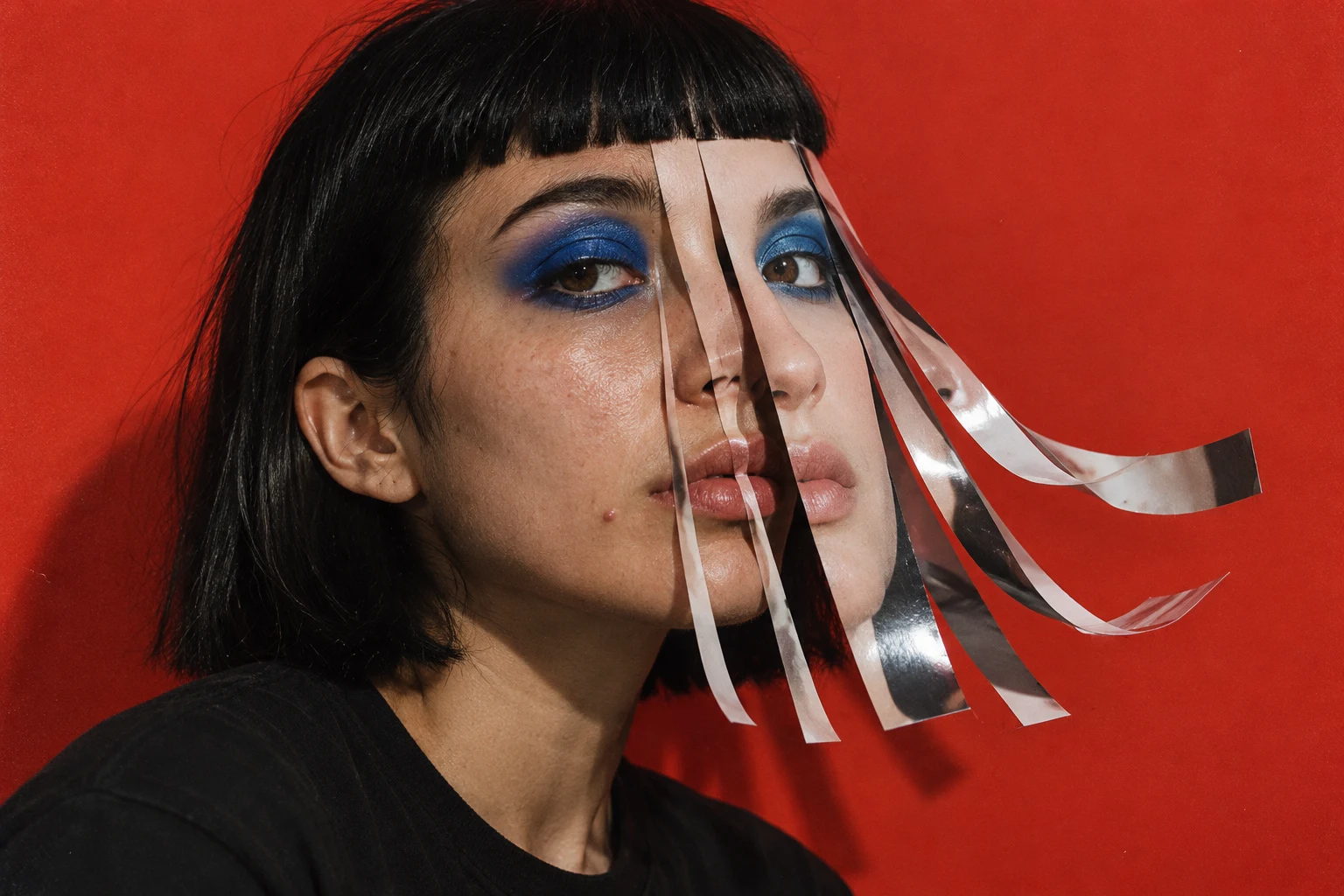
Specific is the new honest
Generic content fails because there's nothing to verify. Specific content carries receipts.
A deli that names its dish, its street and the cook gives you three things to believe. A deli that says "authentic flavors, made with love" gives you none, however the photo was made.
So start from the nouns. The colors by their real names. The object. The place. The person. If it can't be pointed to, it doesn't go in.
Say it once
Should you disclose AI? Say it plainly, once, at the level of how you work. Then let the work talk.
The brands that get in trouble do one of two things. They hide it and get caught. Or they lead with it, as if the tool were the idea.
Neither one is a brand.
Before you post
Could this image belong to a competitor? Is there a person, a place or a hand in it? Does the caption add something the image doesn't show? Would you be fine if someone asked how it was made?
If all four hold, nobody will care much what made it. There's something in it to believe.
Questions we get
Do consumers trust AI generated brand content?
Less than they trust content that shows people and process. Surveys in 2026 found that most shoppers already assume brand content is at least partly generated, and that visible human involvement, like bylines and behind the scenes content, is tied to loyalty.
Should a brand disclose that it uses AI?
Say it plainly once, at the level of how you work, and let the work carry the rest. Hiding it costs more trust than naming it.
How can a small brand look less generic?
Use specific things you could photograph, people with names, real places and one clear rule the brand keeps everywhere.
show the hands